

Which activities happen within the stroma? This question delves into the fascinating world of the stroma, the intricate framework that supports and orchestrates the symphony of cellular processes within our bodies. Imagine a bustling city, where buildings and roads provide structure and connectivity. The stroma acts as the city’s backbone, a complex network of fibers, ground substance, and cells that provide the foundation for tissues and organs to thrive.
This invisible world, teeming with activity, plays a crucial role in energy production, nutrient exchange, waste removal, and even cell-to-cell communication. The stroma is a dynamic hub where life’s essential functions are orchestrated, ensuring the smooth operation of our bodies.
The Stroma

The stroma, a word derived from the Greek word for “bedding,” is a supportive framework found within various tissues and organs. It provides structural support and organization, facilitating the intricate dance of cellular processes within the body.
Structural Composition of the Stroma
The stroma is a complex tapestry woven from fibers, ground substance, and cells.
- Fibers: These thread-like structures provide tensile strength and resilience. Collagen fibers, the most abundant type, form strong, rope-like bundles, offering resistance to stretching and tearing. Elastin fibers, as their name suggests, provide elasticity, allowing tissues to stretch and recoil. Reticular fibers, delicate and branched, form a fine meshwork, supporting delicate tissues like lymph nodes and bone marrow.
- Ground Substance: This gel-like matrix fills the spaces between fibers and cells, providing a medium for nutrient and waste exchange. It consists of a complex mixture of water, proteins, and carbohydrates, including glycosaminoglycans (GAGs), which attract water, creating a hydrated environment essential for cellular function. The composition of the ground substance varies depending on the tissue, influencing its properties and function.
- Cells: The stroma also houses a variety of cells, including fibroblasts, which produce the fibers and ground substance; macrophages, which engulf and destroy cellular debris and pathogens; and mast cells, which release histamine and other chemicals involved in inflammation and allergic reactions.
Role of the Stroma in Support and Organization
The stroma acts as the scaffolding of tissues and organs, providing a framework for cells to attach and interact. It helps maintain tissue integrity, preventing cells from drifting apart and ensuring proper organization. This structural support is crucial for the function of organs, allowing them to withstand stress and maintain their shape. For example, the stroma of the liver provides a framework for the hepatocytes (liver cells) to carry out their metabolic functions.
Variations in Stroma Composition and Function, Which activities happen within the stroma
The stroma is not a static entity; its composition and function vary depending on the tissue or organ it supports. For instance, the stroma of connective tissue, like tendons and ligaments, is rich in collagen fibers, providing strength and flexibility. In contrast, the stroma of adipose tissue (fat) is composed primarily of fat cells, with a minimal amount of fibers and ground substance.
The stroma is a dynamic structure, adapting to the needs of the tissue it supports, reflecting the remarkable complexity and adaptability of the human body.
Metabolic Activities within the Stroma
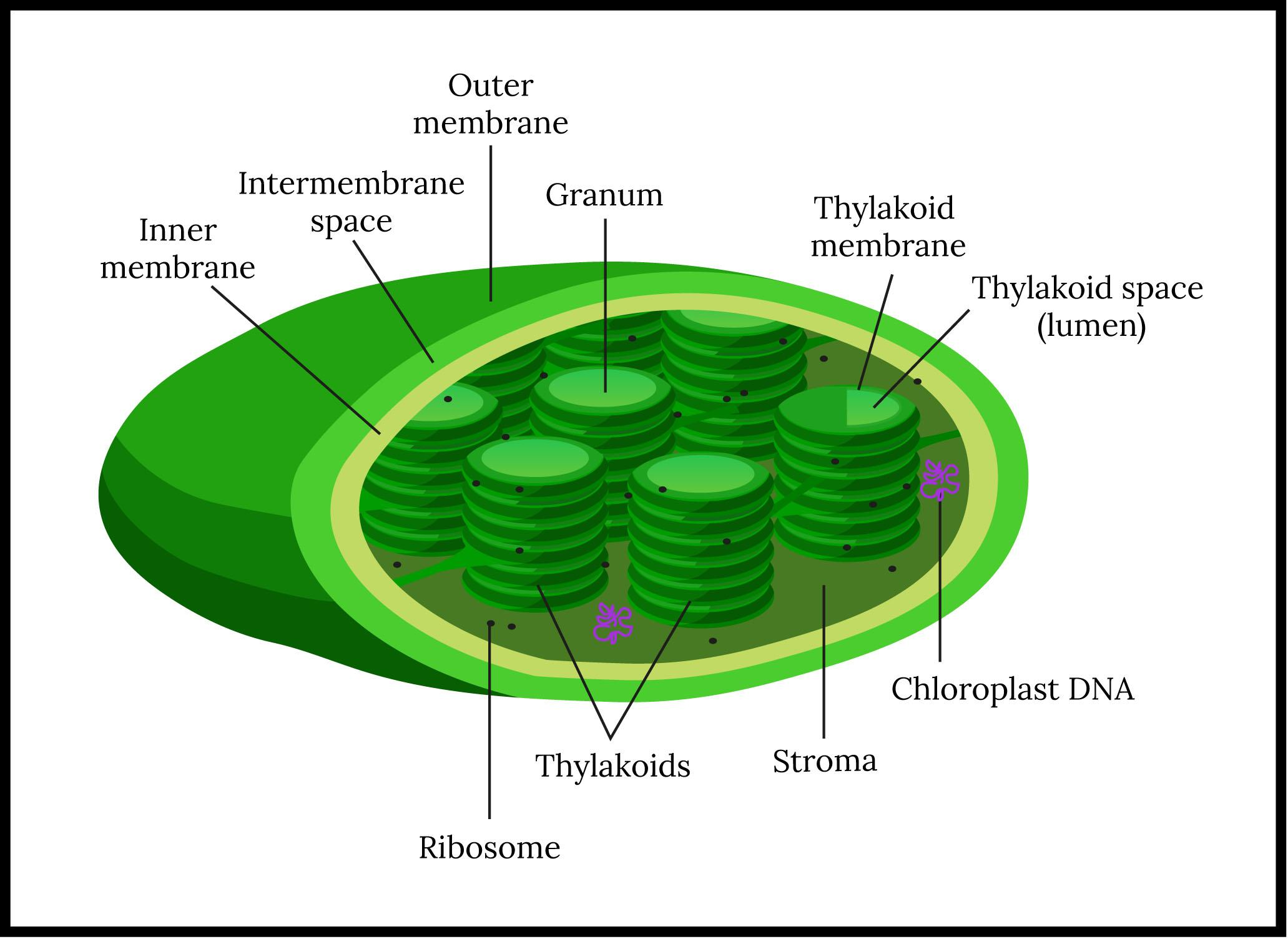
The stroma, the fluid-filled space within the chloroplast, is a bustling hub of metabolic activity. It serves as a central location for a multitude of processes, from energy production and nutrient exchange to waste removal and cell signaling. The stroma’s intricate network of enzymes and pathways ensures the efficient operation of these vital functions.
Energy Production in the Stroma
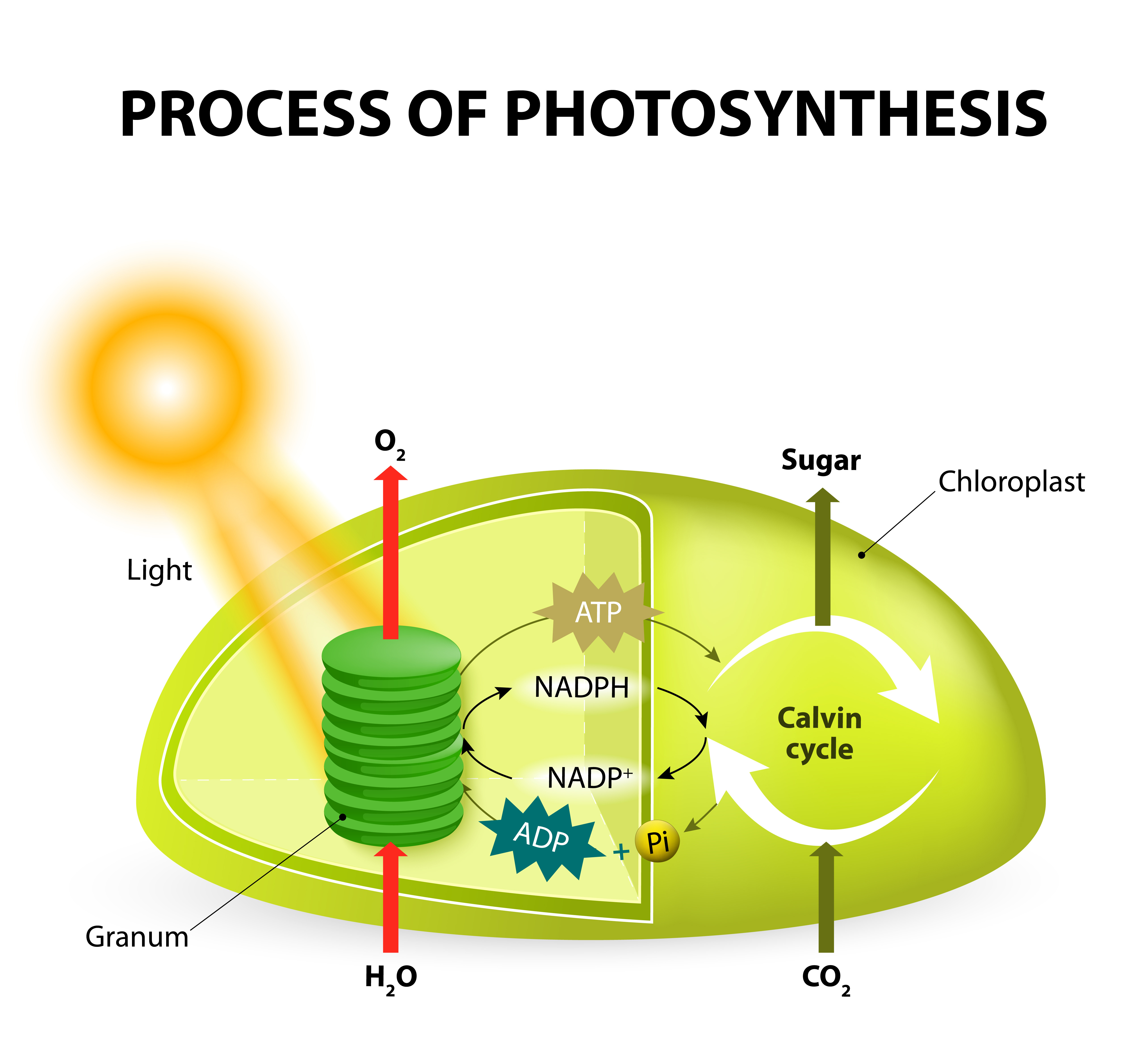
The stroma is the site of the Calvin cycle, a crucial metabolic pathway in photosynthesis. This intricate series of reactions utilizes the energy captured from sunlight, stored in ATP and NADPH, to convert carbon dioxide into glucose. The Calvin cycle, also known as the light-independent reactions, is essential for the production of organic molecules, the building blocks of life.The Calvin cycle is a complex process that involves a series of enzymatic steps.
The key enzyme in this pathway is RuBisCo, which catalyzes the initial step of carbon fixation, the incorporation of carbon dioxide into an organic molecule. The Calvin cycle also involves other essential enzymes, such as phosphoribulokinase and glyceraldehyde-3-phosphate dehydrogenase, which facilitate the conversion of carbon dioxide into glucose.
Nutrient Exchange and Waste Removal in the Stroma
The stroma plays a vital role in the exchange of nutrients and the removal of waste products. The stroma’s semi-permeable membrane allows for the selective passage of molecules, ensuring the efficient uptake of essential nutrients and the removal of metabolic byproducts. This dynamic exchange is crucial for maintaining the chloroplast’s internal environment and supporting its metabolic functions.The stroma contains a diverse array of transport proteins, which facilitate the movement of specific molecules across the membrane.
These proteins can be highly selective, ensuring that only essential nutrients are transported into the stroma, while waste products are efficiently removed. This regulated transport is essential for maintaining the chloroplast’s internal balance and supporting its metabolic functions.
Role of the Stroma in Cell Growth and Differentiation
The stroma is not only involved in metabolic processes but also plays a crucial role in regulating cell growth and differentiation. The stroma acts as a signaling center, producing and releasing a variety of signaling molecules that influence the behavior of the cell. These signaling molecules can activate or inhibit specific genes, ultimately controlling the cell’s growth, development, and differentiation.The stroma releases a variety of signaling molecules, including hormones, growth factors, and other regulatory proteins.
These molecules can act locally within the chloroplast or be transported to other parts of the cell, where they can influence the expression of specific genes. This intricate network of signaling pathways ensures the coordinated regulation of cell growth and differentiation, contributing to the overall development and function of the organism.
Stroma and Cell-Cell Communication
The stroma, often viewed as a supporting structure, plays a crucial role in facilitating communication between cells within a tissue. This intricate network of extracellular matrix (ECM) components and stromal cells acts as a signaling hub, influencing cell behavior and shaping tissue function.
Stroma as a Communication Platform
The ECM, a complex mesh of proteins and polysaccharides, provides a physical scaffold for cells and serves as a conduit for signaling molecules. This network allows for the exchange of information between cells, enabling them to coordinate their activities and maintain tissue homeostasis. For instance, growth factors secreted by stromal cells can bind to receptors on parenchymal cells, triggering pathways that promote cell growth and differentiation.
Stroma-Parenchyma Interactions
The interplay between stromal cells and parenchymal cells is vital for tissue function and homeostasis. Stromal cells, such as fibroblasts and immune cells, can influence the behavior of parenchymal cells, affecting their proliferation, differentiation, and even survival. For example, fibroblasts can secrete ECM components that provide structural support for epithelial cells, influencing their organization and function. Immune cells, such as macrophages, can release cytokines that promote inflammation or tissue repair, depending on the context.
Types of Cell-Cell Communication Mediated by the Stroma
The stroma facilitates various types of cell-cell communication, including:
| Type of Communication | Signaling Pathway | Effects | Examples |
|---|---|---|---|
| Paracrine Signaling | Signaling molecules secreted by stromal cells diffuse to neighboring parenchymal cells | Growth, differentiation, survival, inflammation | Fibroblasts secreting growth factors to stimulate epithelial cell proliferation |
| Juxtacrine Signaling | Direct contact between stromal and parenchymal cells via cell surface receptors | Cell adhesion, migration, differentiation | Integrins on epithelial cells binding to ECM proteins secreted by fibroblasts |
| Autocrine Signaling | Signaling molecules secreted by stromal cells bind to receptors on the same cell | Cell survival, proliferation, differentiation | Macrophages releasing cytokines that stimulate their own survival |
Stroma in Development and Regeneration: Which Activities Happen Within The Stroma
The stroma plays a crucial role in the development and regeneration of tissues, providing essential structural support and signaling cues that guide cellular processes. Its dynamic nature allows it to adapt and respond to various developmental and regenerative signals, influencing cell migration, differentiation, and tissue formation.
Stroma in Tissue Development
The stroma is instrumental in the development of tissues and organs, providing a framework for cell migration, differentiation, and organization. Its involvement in these processes is essential for proper tissue formation and function.
- Cell Migration: The stroma provides guidance cues for migrating cells during development, ensuring that cells reach their appropriate destinations. This is achieved through the production of chemoattractants and chemo-repellents, as well as the provision of physical pathways for cell movement. For example, during the development of the nervous system, neural crest cells migrate along stromal pathways to reach their target locations.
- Cell Differentiation: The stroma influences the differentiation of cells by providing signaling molecules that activate specific developmental pathways. These signals can be soluble factors, such as growth factors and cytokines, or contact-dependent interactions with stromal cells. For instance, the stromal cells in the bone marrow provide signals that induce the differentiation of hematopoietic stem cells into various blood cell types.
- Organogenesis: The stroma plays a crucial role in the formation of organs by providing a scaffold for the assembly of different cell types and by secreting signaling molecules that regulate organ development. For example, the stromal cells in the developing kidney provide a framework for the formation of nephrons, the functional units of the kidney, and secrete signaling molecules that regulate nephron development.
Stroma in Tissue Regeneration and Repair
The stroma plays a vital role in tissue regeneration and repair, contributing to the restoration of tissue integrity after injury. It acts as a scaffold for the migrating cells and provides signals that promote wound healing.
- Scaffolding: The extracellular matrix (ECM) of the stroma provides a physical scaffold for migrating cells during wound healing, enabling them to move to the injured area and participate in tissue repair. The ECM also provides mechanical support for the newly formed tissue, ensuring its stability and integrity.
- Signaling Cues: The stroma secretes a variety of signaling molecules that regulate the wound healing process, promoting cell proliferation, migration, and differentiation. These signals can include growth factors, cytokines, and chemokines, which act in a coordinated manner to orchestrate the repair process.
Stroma in Disease States
The stromal microenvironment can be altered in disease states, leading to changes in tissue function and contributing to pathological conditions. These alterations can include changes in ECM composition, cell composition, and signaling molecules, all of which can impact the behavior of stromal cells and surrounding cells.
- Cancer: The stroma in tumors can be significantly altered, creating a microenvironment that promotes tumor growth and metastasis. Tumor cells can induce changes in the stromal ECM, leading to increased angiogenesis, invasion, and metastasis. Additionally, stromal cells in the tumor microenvironment can secrete growth factors and cytokines that promote tumor cell proliferation and survival.
- Fibrosis: In fibrotic diseases, the stroma undergoes excessive deposition of ECM, leading to tissue scarring and dysfunction. This can occur in response to chronic inflammation or injury, and the increased ECM deposition can impede tissue function and regeneration.
Stroma in Disease and Therapy
The stroma, once considered a passive bystander in tissue function, is now recognized as a dynamic and critical player in disease pathogenesis and therapeutic response. Its intricate interplay with parenchymal cells, its ability to remodel and adapt, and its diverse molecular signaling pathways make it a key target for understanding and manipulating disease progression.
Stroma in Cancer Progression
The stroma’s role in cancer is multifaceted and complex. It acts as both a facilitator and a barrier to tumor growth, metastasis, and treatment response.
- Tumor Microenvironment (TME): The stroma forms the tumor microenvironment (TME), a complex ecosystem comprising various cell types, including fibroblasts, immune cells, and blood vessels. This intricate network of cells and their secreted factors influences tumor growth, angiogenesis, metastasis, and resistance to therapy.
- Desmoplastic Reaction: Cancer cells can induce a desmoplastic reaction, a hallmark of stromal remodeling, characterized by excessive collagen deposition and increased stromal stiffness. This dense stroma can physically impede tumor cell invasion and metastasis, but it can also create a protective barrier that shields cancer cells from chemotherapeutic agents and immune attack.
- Stromal Cell Signaling: Stromal cells, particularly fibroblasts, can communicate with cancer cells through various signaling pathways, including the Wnt, Hedgehog, and TGF-β pathways. These interactions can promote tumor growth, angiogenesis, and immune evasion.
- Immune Cell Recruitment and Function: The stroma plays a crucial role in regulating the immune response to cancer. It can recruit immune cells, such as macrophages and T cells, but it can also suppress anti-tumor immunity by creating an immunosuppressive microenvironment.
Stroma in Fibrosis
Fibrosis, characterized by excessive deposition of extracellular matrix (ECM) proteins, is a hallmark of various chronic diseases, including liver cirrhosis, pulmonary fibrosis, and kidney fibrosis.
- Fibroblast Activation: In fibrotic diseases, fibroblasts, the primary producers of ECM, undergo activation, leading to excessive ECM production and deposition. This process is often triggered by chronic inflammation, tissue injury, and dysregulation of signaling pathways like TGF-β.
- ECM Remodeling: The altered composition and organization of the ECM in fibrotic tissues contribute to tissue stiffness, impaired organ function, and reduced tissue regeneration. The ECM can also promote further fibroblast activation, creating a vicious cycle that perpetuates fibrosis.
- Immune Cell Recruitment: Fibrotic tissues often exhibit an influx of immune cells, including macrophages and T cells. These cells contribute to inflammation and further ECM deposition, exacerbating fibrosis.
Stroma in Inflammation
The stroma is an integral part of the inflammatory response, contributing to both the initiation and resolution of inflammation.
- Recruitment of Immune Cells: The stroma acts as a scaffold for the recruitment and activation of immune cells, such as neutrophils, macrophages, and lymphocytes, to the site of inflammation.
- ECM Remodeling: During inflammation, the ECM undergoes remodeling, with changes in its composition and organization. These changes can facilitate the recruitment and activation of immune cells and promote the resolution of inflammation.
- Resolution of Inflammation: The stroma plays a critical role in resolving inflammation by promoting the clearance of inflammatory cells and debris and facilitating tissue repair.
Therapeutic Targeting of the Stroma
Given the stroma’s pivotal role in disease progression, therapeutic strategies targeting the stroma are gaining increasing attention.
- Anti-Fibrotic Therapies: These therapies aim to inhibit fibroblast activation, reduce ECM deposition, and promote ECM degradation. Examples include antifibrotic drugs, such as pirfenidone and nintedanib, used to treat idiopathic pulmonary fibrosis.
- Immunomodulatory Therapies: These therapies target the immune system to modulate the inflammatory response and restore immune homeostasis. Examples include monoclonal antibodies that block inflammatory cytokines, such as TNF-α inhibitors used to treat rheumatoid arthritis.
- Anti-Angiogenic Therapies: These therapies aim to inhibit angiogenesis, the formation of new blood vessels, which is essential for tumor growth and metastasis. Examples include anti-VEGF antibodies, such as bevacizumab, used to treat various cancers.
- Combination Therapies: Combining therapies that target the stroma with other treatments, such as chemotherapy or radiation therapy, can enhance treatment efficacy and improve patient outcomes.
From the bustling metabolic pathways to the intricate dance of cell-cell communication, the stroma’s activities are essential for life itself. Its role in development, regeneration, and disease processes highlights its profound impact on our health and well-being. By understanding the intricate workings of the stroma, we unlock new avenues for treating diseases and promoting tissue repair, paving the way for a healthier future.
Common Queries
What is the difference between the stroma and parenchyma?
The stroma is the supporting framework of a tissue or organ, while the parenchyma refers to the functional cells that perform the tissue’s primary function. For example, in the liver, the parenchyma consists of hepatocytes responsible for detoxification, while the stroma provides structural support and blood supply.
How does the stroma contribute to cancer development?
The stroma can play a complex role in cancer development. Changes in the stromal microenvironment, such as increased angiogenesis (blood vessel formation) and altered immune cell populations, can contribute to tumor growth and metastasis.
What are some therapeutic strategies that target the stroma?
Therapeutic strategies targeting the stroma include inhibiting angiogenesis, modulating immune responses, and delivering drugs directly to the stromal compartment. These approaches aim to disrupt the support network that sustains tumor growth and enhance treatment efficacy.


