

What’s the difference between stroma and stomata? These two terms, often mistaken for one another, play crucial roles in the life of a plant. While both are essential components of plant cells, they differ significantly in their location, structure, and function. The stroma, a fluid-filled region within chloroplasts, acts as the site for crucial metabolic reactions like photosynthesis. Meanwhile, stomata, tiny pores on the surface of leaves, regulate gas exchange and water transpiration, enabling plants to breathe and thrive.
Understanding the differences between these structures is key to appreciating the complex processes that sustain plant life.
Imagine a bustling city, with its intricate network of streets and avenues, representing the stroma. This complex system houses factories, offices, and homes, just as the stroma houses the machinery for photosynthesis and other essential metabolic activities. Now, picture the stomata as strategically placed windows and doors, carefully controlling the flow of air and water in and out of the city, ensuring its survival and growth.
This analogy helps visualize the distinct yet interconnected roles of stroma and stomata in the world of plants.
Stroma vs. Stomata: Unveiling the Differences
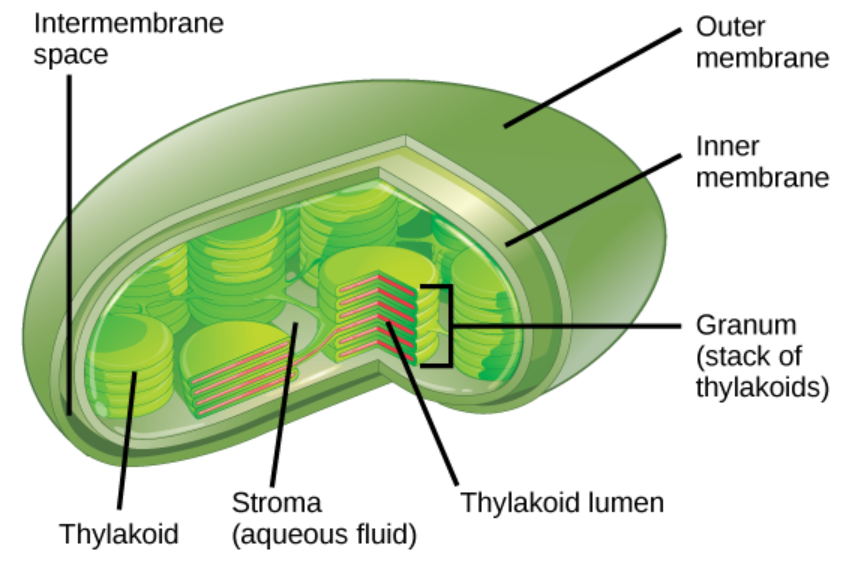
Plants, the silent heroes of our planet, rely on a complex network of structures to perform their vital functions. Among these, two key components, stroma and stomata, play distinct yet crucial roles in the life of a plant. While both are essential for photosynthesis, they differ significantly in their location, structure, and function.
Stroma, a dense fluid found within chloroplasts, acts as the site for crucial biochemical reactions. It houses enzymes responsible for the Calvin cycle, a key process in photosynthesis. On the other hand, stomata, microscopic pores on the surface of leaves, act as gateways for gas exchange, allowing carbon dioxide to enter and oxygen to exit the plant.
Location and Structure
The primary distinction between stroma and stomata lies in their location and structure.
- Stroma is confined within the chloroplast, a specialized organelle found within plant cells.
- Stomata, in contrast, are located on the epidermis, the outermost layer of plant leaves and stems.
Structurally, stroma is a semi-fluid matrix, rich in enzymes and other molecules essential for photosynthesis. It contains stacks of thylakoid membranes, where light-dependent reactions occur.
Stomata, on the other hand, are pores surrounded by two specialized guard cells. These cells regulate the opening and closing of the stomata, controlling the rate of gas exchange.
Stroma: What’s The Difference Between Stroma And Stomata

The stroma is a vital component within chloroplasts, the organelles responsible for photosynthesis in plant cells. It’s a thick fluid that fills the space between the thylakoid membranes, resembling a gelatinous matrix.
Location and Structure
The stroma resides within the chloroplast, a double-membrane-bound organelle found in plant cells. It occupies the region between the inner chloroplast membrane and the thylakoid membranes, which are interconnected and form stacks called grana. The stroma is a complex mixture of enzymes, proteins, and other molecules, creating a dynamic environment for biochemical reactions.
Composition of Stroma, What’s the difference between stroma and stomata
The stroma is composed of various components, including:
- Enzymes: These are crucial for various metabolic processes, including the Calvin cycle, which is the primary pathway for carbon fixation during photosynthesis.
- Proteins: These proteins are involved in a wide range of functions, from catalyzing reactions to regulating gene expression.
- DNA: Chloroplasts have their own DNA, called chloroplast DNA, which is responsible for encoding some of the proteins necessary for photosynthesis.
- Ribosomes: These organelles are responsible for protein synthesis within the chloroplast.
- Starch granules: These granules store excess carbohydrates produced during photosynthesis.
- Inorganic ions: The stroma contains various inorganic ions, such as magnesium (Mg 2+) and phosphate (PO 43-), which are essential for photosynthesis and other metabolic processes.
Functions of Stroma
The stroma plays a crucial role in photosynthesis, particularly in the Calvin cycle.
- Carbon fixation: The Calvin cycle, which occurs in the stroma, uses carbon dioxide (CO 2) from the atmosphere to produce glucose, a simple sugar that serves as the primary energy source for plants.
- Synthesis of organic molecules: The stroma provides the necessary environment and components for the synthesis of various organic molecules, such as amino acids, lipids, and nucleic acids.
- Regulation of chloroplast metabolism: The stroma acts as a hub for regulating the various metabolic processes occurring within the chloroplast.
Interaction with Other Cellular Components
The stroma interacts with other cellular components, particularly the thylakoid membranes, to ensure efficient photosynthesis.
- Thylakoid membranes: The thylakoid membranes, where the light-dependent reactions of photosynthesis take place, provide the stroma with ATP and NADPH, which are essential for the Calvin cycle.
- Cytoplasm: The stroma interacts with the cytoplasm, the fluid that surrounds the organelles in a cell, to exchange molecules and regulate metabolic processes.
The contrasting roles of stroma and stomata demonstrate the remarkable complexity of plant life. While the stroma serves as the bustling hub for photosynthesis, the stomata act as the plant’s carefully regulated gateways to the outside world. Understanding these differences is not only fascinating but also crucial for appreciating the intricate mechanisms that allow plants to flourish. As we continue to explore the wonders of the plant kingdom, the knowledge gained from studying these structures will undoubtedly lead to exciting new discoveries and advancements in our understanding of the natural world.
FAQ Compilation
What is the main function of the stroma?
The stroma is the site of the light-independent reactions of photosynthesis, where carbon dioxide is converted into sugars. It also houses enzymes involved in other metabolic processes.
How do stomata regulate gas exchange?
Stomata open to allow carbon dioxide to enter for photosynthesis and oxygen to exit. They close to prevent water loss during dry conditions.
What are guard cells, and how do they relate to stomata?
Guard cells are specialized cells that surround each stoma. They control the opening and closing of the stoma by changing their shape in response to environmental cues.
How do stomata contribute to plant survival?
Stomata are essential for photosynthesis, which provides plants with energy. They also help regulate water balance, preventing excessive water loss and allowing for efficient transpiration.


